This website uses cookies to ensure you get the best experience on our website. Read more

How to Match Bead Colors Like a Professional Jewelry Designer?
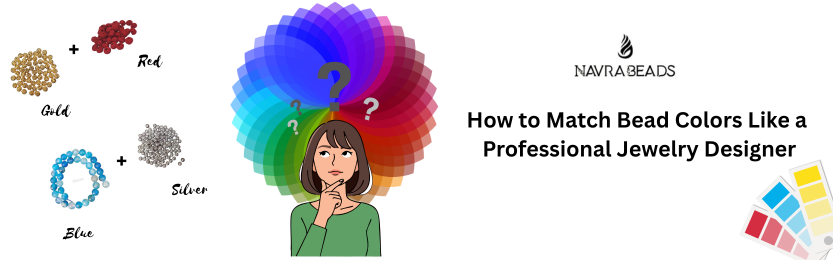
One of the biggest differences between beginner and professional jewelry designs is color coordination. Even when using high-quality beads, a design can look unbalanced if the colors don't work well together.
Professional jewelry designers don't choose colors randomly. They carefully combine shades, tones, and accents to create pieces that feel balanced, attractive, and wearable.
The good news is that you don't need to be an artist to create beautiful color combinations. By understanding a few simple principles, you can confidently mix beads and create jewelry that stands out.
Why Color Matching Matters
Color affects:
- First impressions
- Style and mood
- Customer preferences
- Perceived value
- Overall design harmony
The right color combination can make jewelry look elegant, luxurious, modern, traditional, or playful.
Start with a Main Color
A simple way to begin is by selecting one dominant color.
Examples:
- Blue
- Green
- Pink
- Purple
- White
- Black
This main color becomes the foundation of your design, while other colors support and enhance it.
Professional designers often let one color take center stage rather than competing with too many colors at once.
Use Neutral Colors for Balance
Neutral colors work with almost every bead type.
Popular neutral shades include:
- White
- Cream
- Silver
- Gold
- Black
- Grey
Pearls and metallic components are frequently used because they blend easily with brighter colors.
For example:
- Pink + White
- Navy Blue + Silver
- Emerald Green + Gold
- Black + Crystal
These combinations remain timeless and versatile.
Create Contrast for Visual Interest
Contrast helps important elements stand out.
Examples:
- Black and White
- Navy and Gold
- Red and Silver
- Dark Green and Cream
A contrasting color can highlight focal beads, pendants, or decorative connectors.
Too little contrast may make a design appear flat, while too much can make it look overwhelming.
Follow the 60-30-10 Rule
Many designers use a simple color formula:
- 60% Primary Color
- 30% Secondary Color
- 10% Accent Color
For example:
- 60% White Pearls
- 30% Light Pink Beads
- 10% Gold Spacers
This creates balance without making the design feel crowded.
Match Colors to Jewelry Style
Different color combinations suit different styles.
Traditional Jewelry
Popular combinations include:
- Red and Gold
- Green and Gold
- Maroon and Antique Gold
- White and Temple Gold
These combinations are commonly seen in festive and ethnic jewelry.
Modern Jewelry
Popular combinations include:
- Black and Silver
- White and Rose Gold
- Grey and Silver
- Navy and Crystal
These create a clean and contemporary appearance.
Bohemian Jewelry
Popular combinations include:
- Turquoise and Brown
- Orange and Cream
- Mixed Earth Tones
- Natural Greens and Beige
These combinations create a relaxed and artistic look.
Consider the Occasion
The intended use of the jewelry can influence color choices.
Daily Wear
- White
- Grey
- Soft Pink
- Beige
- Light Blue
Festive Wear
- Red
- Green
- Gold
- Maroon
- Royal Blue
Bridal Jewelry
- White Pearls
- Gold
- Champagne Tones
- Crystal Accents
Choosing colors based on the occasion increases wearability and customer appeal.
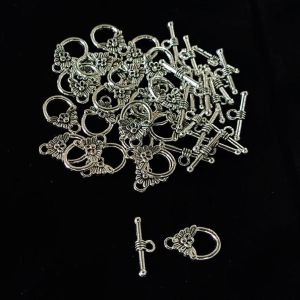
Don't Ignore Metal Components
Metal spacers, connectors, and findings play an important role in color coordination.
Examples:
- Gold complements warm colors
- Silver complements cool colors
- Rose Gold suits soft pastel shades
- Antique finishes suit traditional designs
The wrong metal finish can disrupt an otherwise beautiful color combination.
Test Colors Before Stringing
Before assembling jewelry:
- Arrange beads on a bead board
- Place components side by side
- View designs in natural light
- Take photos for comparison
Many professional designers experiment with layouts before making final decisions.
Common Color Matching Mistakes
Beginners often:
- Use too many colors
- Ignore metal finishes
- Choose colors with no contrast
- Mix unrelated styles
- Overload designs with bright accents
Keeping color palettes simple often creates the most elegant results.
Final Thoughts
Color matching is one of the most valuable skills a jewelry maker can develop. By understanding balance, contrast, neutral tones, and design principles, you can create jewelry that looks polished and professional.
Start with a simple color palette, experiment with combinations, and observe designs that appeal to you. Over time, you'll develop an eye for color and create jewelry pieces that attract attention and leave a lasting impression.
Comment(s)
Recent Posts