This website uses cookies to ensure you get the best experience on our website. Read more

How to Create Professional Jewelry Collections That Sell?
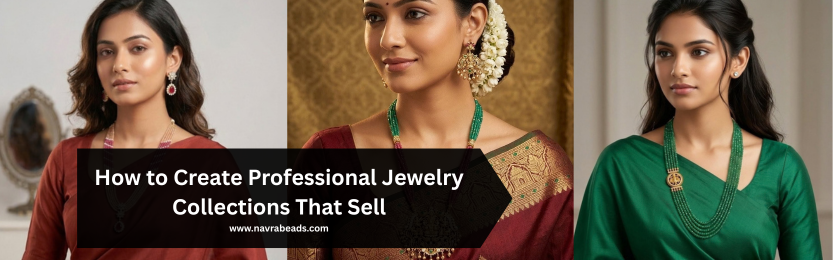
Many jewelry makers start by creating individual pieces based on inspiration or available materials. While this approach works in the beginning, successful jewelry brands often grow by offering collections rather than unrelated products.
A collection helps customers understand your style, discover matching pieces, and purchase multiple items instead of just one. It also makes your brand appear more professional and organized.
Whether you sell handmade jewelry, beaded accessories, or fashion jewelry, learning how to build collections can significantly improve your business.
What Is a Jewelry Collection?
A jewelry collection is a group of products connected by a common theme.
The connection may be based on:
- Color palette
- Material type
- Design style
- Occasion
- Season
- Cultural inspiration
Instead of selling random products, a collection creates a story that customers can easily understand and connect with.
Why Collections Help Increase Sales?
Collections offer several advantages:
- Create a stronger brand identity
- Encourage multiple purchases
- Improve product presentation
- Simplify marketing efforts
- Build customer trust
When customers see coordinated products, they often purchase matching pieces together.
Start with a Clear Theme
Every successful collection begins with a central idea.
Examples include:
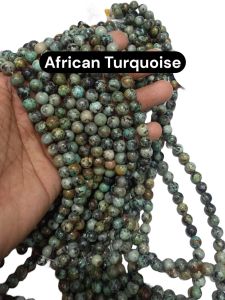
Nature-Inspired Collection
- Green tones
- Floral elements
- Leaf motifs
- Earth-inspired colors
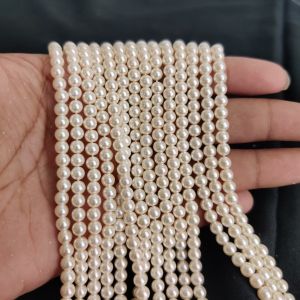
Classic Pearl Collection
- Pearl-based designs
- Elegant styling
- Neutral color palette
Traditional Collection
- Nakshi components
- Antique finishes
- Cultural influences
Contemporary Collection
- Minimalist designs
- Modern shapes
- Clean color combinations
Choosing a theme helps maintain consistency throughout the collection.
Define Your Target Customer
Before designing products, consider who you're creating them for.
Ask:
- What age group am I targeting?
- Are they looking for daily wear or occasion wear?
- Do they prefer modern or traditional styles?
- What price range are they comfortable with?
Understanding your audience helps you make better design decisions.
Create a Consistent Color Palette
Professional collections usually follow a coordinated color scheme.
For example:
Soft Elegance Collection
- White
- Cream
- Gold
Ocean Collection
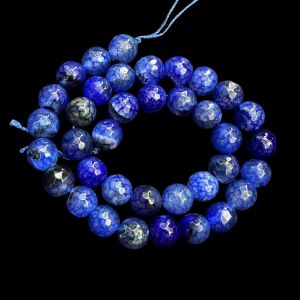
- Blue
- Aqua
- Silver
Royal Collection
- Maroon
- Green
- Gold
Using consistent colors creates visual harmony across products.
Use Similar Materials
Consistency in materials helps strengthen the collection's identity.
Examples:
- Pearl-focused collection
- Crystal-focused collection
- Gemstone collection
- Metal-based collection
- Traditional bead collection
Customers can immediately recognize the connection between products.
Offer Multiple Product Types
A strong collection often includes several jewelry categories.
Examples:
- Necklaces
- Bracelets
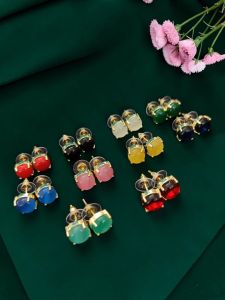
- Earrings
- Pendants
- Matching sets
This allows customers to build coordinated looks and increases average order value.
Design Around Signature Elements
Many successful brands use recognizable design features throughout their collections.
Examples include:
- Specific spacer styles
- Signature charms
- Unique bead combinations
- Distinctive color patterns
- Special connectors
These elements help customers identify your brand more easily.
Balance Variety and Consistency
One common mistake is making every product identical.
A collection should feel connected while still offering variety.
For example:
- Different necklace lengths
- Multiple bracelet styles
- Various pendant options
- Different bead arrangements
This keeps the collection interesting without losing its identity.
Plan Your Product Photography
Professional collections require consistent presentation.
Maintain:
- Similar backgrounds
- Consistent lighting
- Coordinated styling
- Matching image quality
Good photography makes collections appear more polished and trustworthy.
Create Matching Jewelry Sets
Customers often enjoy purchasing coordinated pieces.
Examples:
- Necklace and earrings
- Bracelet and necklace
- Pendant and earrings
- Full jewelry sets
Matching products can increase overall sales while improving customer satisfaction.
Price Products Strategically
Collections should include products at different price points.
Examples:
- Entry-level products
- Mid-range pieces
- Premium statement designs
This allows customers with different budgets to engage with the collection.
Promote the Collection as a Story
Rather than selling individual products, promote the collection's inspiration and purpose.
Share:
- Design inspiration
- Material choices
- Creative process
- Styling ideas
Storytelling helps customers connect emotionally with your products.
Common Mistakes to Avoid
Many jewelry businesses:
- Mix unrelated styles
- Use inconsistent photography
- Create too many themes at once
- Ignore customer preferences
- Launch collections without planning
Maintaining focus often produces stronger results.
Tips for Small Jewelry Brands
If you're building a jewelry brand:
- Start with a small collection
- Focus on consistency
- Gather customer feedback
- Expand gradually
- Refine your signature style
Strong collections often grow over time rather than appearing fully developed from the beginning.
Final Thoughts
Professional jewelry collections help transform individual products into a cohesive brand experience. By selecting a clear theme, maintaining consistent materials and colors, and creating products that work together, you can build collections that attract customers and encourage repeat purchases.
Whether you're selling online, through social media, or at exhibitions, thoughtfully designed collections can make your jewelry business appear more professional, memorable, and successful.
Comment(s)
Recent Posts