This website uses cookies to ensure you get the best experience on our website. Read more

How to Design a Beaded Necklace Step by Step: From Idea to Finished Piece
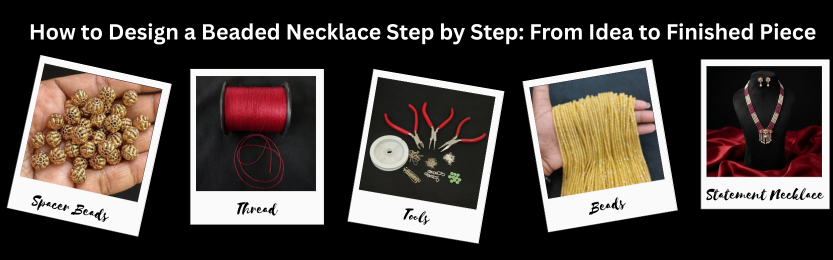
Creating a beaded necklace can be one of the most rewarding parts of jewelry making. While it may seem as simple as selecting a few beads and stringing them together, professional-looking designs require careful planning and attention to detail.
A well-designed necklace feels balanced, comfortable, visually appealing, and suited to its intended purpose. Whether you're making jewelry for yourself, creating gifts, or building a jewelry business, understanding the design process will help you achieve better results.
In this guide, we'll walk through the essential steps used by jewelry designers to transform an idea into a finished necklace.
Start with a Design Purpose
Before selecting any beads, think about the purpose of the necklace.
Ask yourself:
- Is it for daily wear?
- Is it a statement piece?
- Is it traditional or modern?
- Is it intended for a special occasion?
- Who will wear it?
Having a clear purpose makes it easier to choose materials, colors, and components that work together.
Choose a Focal Point
Most successful necklace designs have a focal element that draws attention.
Popular focal pieces include:
- Pendants
- Gemstone centers
- Decorative connectors
- Pearl drops
- Crystal components
- Traditional motifs
The focal piece acts as the centerpiece around which the rest of the design is built.
Select a Color Palette
Color plays a major role in necklace design.
Many jewelry designers begin with two or three coordinating colors rather than using too many shades.
Popular combinations include:
- White and Gold
- Blue and Silver
- Green and Gold
- Pink and Rose Gold
- Black and Crystal
Keeping the color palette simple often creates a more elegant appearance.
Choose the Right Bead Sizes
Different bead sizes create different visual effects.
Common bead sizes include:
- 4mm for delicate designs
- 6mm for versatile everyday jewelry
- 8mm for balanced statement pieces
- 10mm and above for bold designs
Using a combination of sizes can add depth and interest to a necklace.
Consider Bead Shapes
Shape affects the overall character of the design.
Common options include:
- Round beads
- Oval beads
- Faceted beads
- Rondelle beads
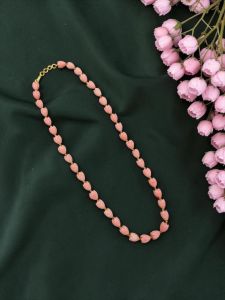
- Drops and teardrops
- Tubes and cylinders
Mixing shapes thoughtfully can create texture and visual movement.
Use Spacer Beads and Connectors
Spacer beads are not simply fillers.
They help:
- Separate larger beads
- Improve balance
- Highlight focal elements
- Add decorative detail
Connectors, Victorian components, seed beads, hydro beads, and metal accents can also serve as spacers while enhancing the design.
These small details often make a necklace look more professional and thoughtfully crafted.
Select the Right Stringing Material
The stringing material should match the design.
Stretch Cord
Best for:
- Simple necklaces
- Lightweight designs
Beading Wire
Best for:
- Professional necklaces
- Heavier beads
- Long-lasting designs
Thread
Best for:
- Pearl knotting
- Traditional jewelry
- Detailed beadwork
Choosing the right material improves both durability and appearance.
Plan the Layout Before Stringing
One of the most common beginner mistakes is assembling a necklace without planning.
Before stringing:
- Arrange beads on a bead board
- Experiment with different layouts
- Check symmetry
- Adjust spacing
- Evaluate color balance
This allows changes to be made before the necklace is assembled.
Check Balance and Proportion
A necklace should feel visually balanced.
Consider:
- Placement of focal elements
- Distribution of colors
- Bead sizes
- Overall weight
Avoid clustering all large beads or decorative components in one section unless intentionally creating an asymmetrical design.
Test Wearability
Beautiful jewelry should also be comfortable.
Before final assembly:
- Check necklace length
- Assess weight
- Ensure smooth movement
- Verify clasp placement
- Confirm flexibility
Comfort plays an important role in customer satisfaction and repeat purchases.
Common Necklace Design Mistakes
Many beginners:
- Use too many colors
- Overcrowd designs
- Ignore spacing
- Mix incompatible styles
- Choose the wrong stringing material
Keeping designs simple often leads to more elegant and wearable results.
Tips for Jewelry Businesses
If you're creating necklaces for sale:
- Study current fashion trends
- Offer multiple length options
- Create matching collections
- Focus on versatility
- Test designs before production
Well-planned designs are easier to market and appeal to a wider audience.
Final Thoughts
Designing a beaded necklace is both a creative and technical process. By starting with a clear purpose, selecting the right colors and materials, planning your layout, and paying attention to balance, you can create necklaces that look polished and professional.
As you gain experience, you'll develop your own design style and learn how small details such as bead size, spacing, and color coordination can transform an ordinary necklace into a beautiful finished piece.
0 Comment(s)
Recent Posts